

- Home
- Our Services
- companion animals
Your Pet Is Not a Waffle Maker:
BC's New Companion Animal Laws
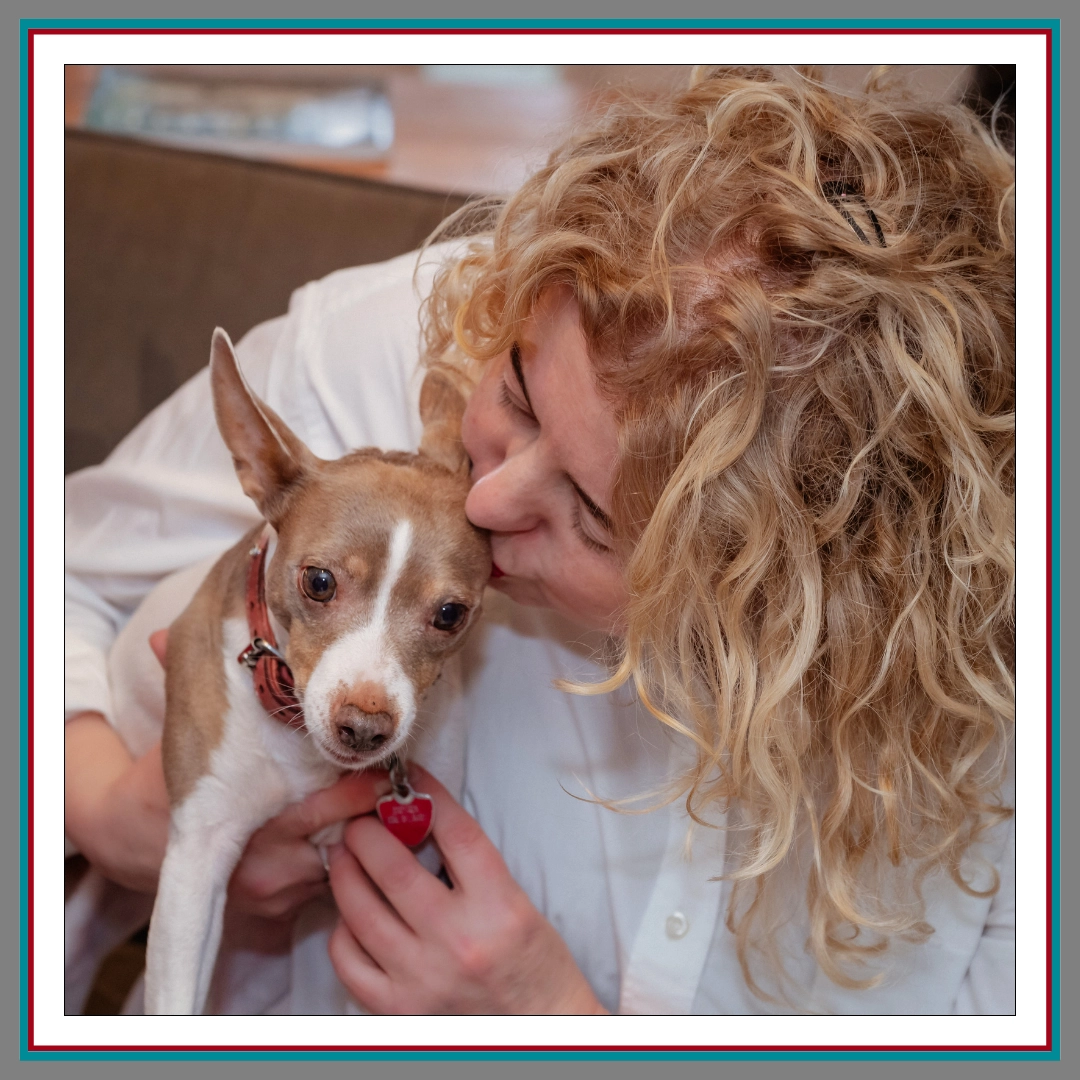 Val Hemminger, Founder of Pathway Legal & Inu, Pathway Legal Chief Barking Officer
Our companion animals, that is our pets, are not simply property to us. They are companions, sources of comfort, and often deeply bonded with both adults and children in the household. Until recently, however, British Columbia family law treated pets the same way it treated furniture or vehicles during a separation.
At Pathway Legal, you might have guessed by now . . . we love dogs! Putting it bluntly, we can’t imagine having our best friend balls of fiur considered a piece of property. As it turns out, other British Columbians felt that way also. That is why the law changed.
In January 2024, amendments to the British Columbia Family Law Act came into force. The new legislation introduces the concept of “companion animals” and provides clearer guidance on how courts address disputes over pets when couples separate or divorce. Companion animals are our pets.
These changes recognize the important role our pets (referred to as companion animals in the legislation) play in family life and provide a more thoughtful framework for resolving pet-related disputes.
What Is a “Companion Animal” Under the Family Law Act?
The amended legislation no longer refers to pets simply as property. Instead, it uses the term “companion animal.”
A companion animal (ie. Our pet) is generally defined as an animal kept primarily for companionship rather than for commercial or agricultural purposes. Think about what our pets do, they demand our attention, require our care, require that we admire them at all times possible, cost us money, and are not a financial investment or resource.
Animals that are not considered companion animals under the legislation are useful animals such as:
- Guide or service dogs (which are governed by separate legislation)
- Livestock or animals used for agricultural purposes
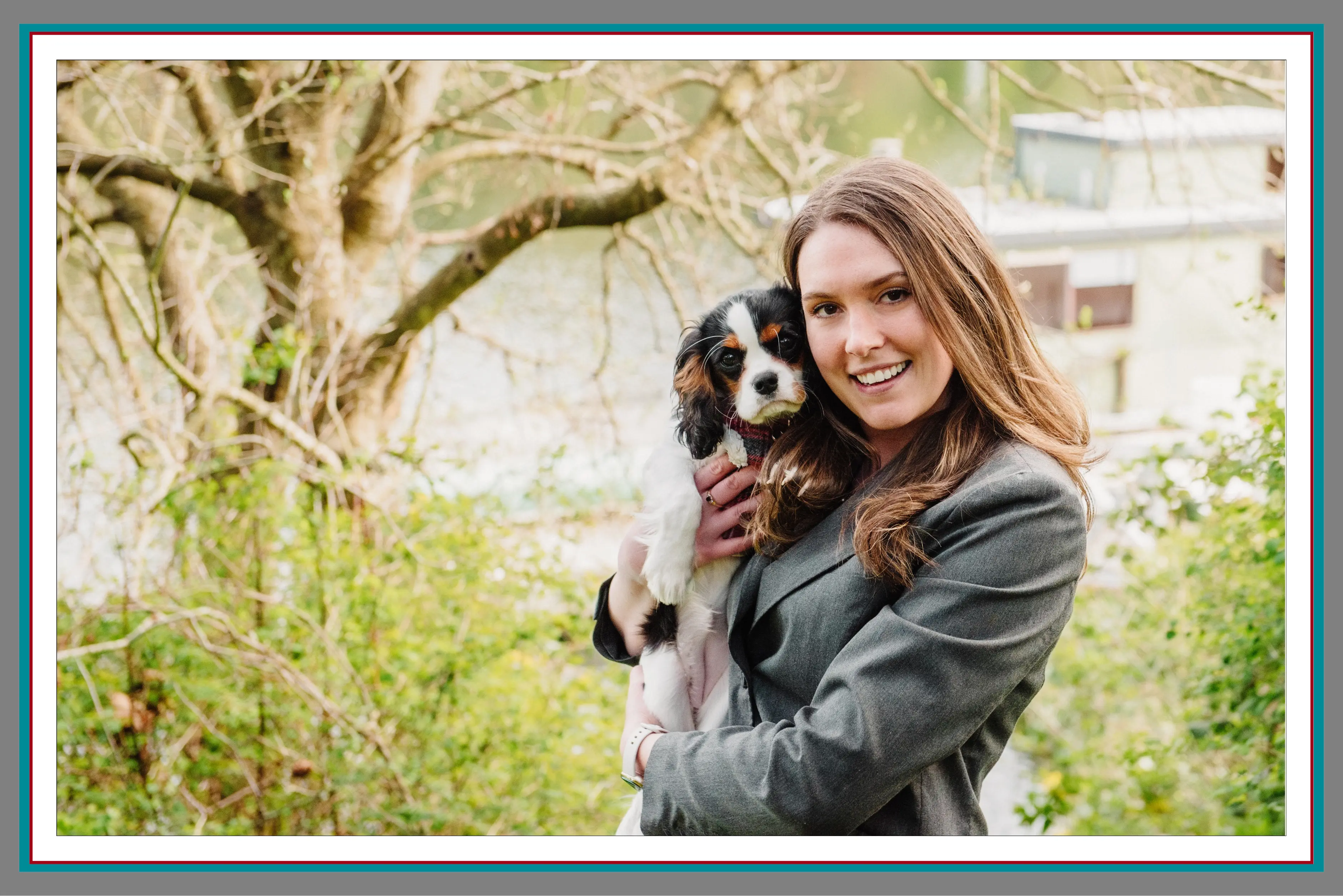
- Animals kept as part of a business. By the way, don’t tell them as they wouldn’t understand, but Inu, Pathway’s Chief Barking Officer and Lady Maya, our Junior Paw-ssociate are really Pathway Legal pets that happen to masquerading as part of our business. It is best that we keep it that way or they will be disappointed as each of them take their roles at Pathway very seriously. So, shhhh. Journey, our law firm ambassador, on the other hand, is part of our business. She is there to remind our wonderful clients that you are not alone when you have Pathway on your side.
Finally, the law has caught up with us by recognizing that our pets play a unique role in our families and their role is to be loved.
How Pets Were Treated Before the Legislative Changes
Prior to the change in law, pets were treated as ordinary personal property under the Family Law Act. Courts would decide who kept the animal in much the same way they decided who received other assets in legal disputes.
Typically, the decision focused on traditional property principles such as:
- Who purchased the animal
- Who was listed as the legal owner
- Whether the pet was considered family property
- The monetary value of the animal
This meant that emotional bonds, caregiving responsibilities, and the animal’s well-being were rarely central considerations in the legal analysis. This meant that our adored pets were treated as “things” under the law as opposed to members of our families that we love and care for.
Here are the Key Changes to the Law:
1. Pets Are Distinguished From Other Property

While pets are still technically considered property under the law, they are now treated differently from ordinary assets like vehicles, bicycles, snowboards, or household goods.
The legislation acknowledges that our pets occupy a unique position in family relationships and therefore require a more nuanced approach. In essence, a family dog has a lot more importance to a family than, let’s say, a waffle maker. Finally, the law has changed to reflect this reality.
2. Courts Can Decide Ownership and Possession
If separating spouses cannot agree on who will be the one to keep their pets, they can ask a court to decide the issue.
Under the updated law, both the Provincial Court of British Columbia and the Supreme Court of British Columbia can now make orders about the ownership or possession of a companion animal.
Previously, to this legislation such disputes could generally only be addressed in the Supreme Court who had sole jurisdiction over property issues.
3. Courts Must Consider Specific Factors
When deciding who should have ownership or possession of a companion animal, the court must now consider a range of factors set out in the legislation found under the property division sections of the Family Law Act of BC.
The courts will consider:
- The circumstances in which the animal was acquired
- The extent to which each spouse cared for the animal
- Any history of family violence
- The risk of family violence
- Any cruelty, or threat of cruelty, toward the animal
- The relationship between the animal and any children in the household
- Each spouse’s willingness and ability to care for the animal’s basic needs
- Any other relevant circumstances
These factors allow the court to look beyond simple ownership and consider the actual caregiving and welfare of the animal.
Agreements Between Separating Partners

The legislation encourages separating spouses to reach their own agreement about what will happen to their companion animal.
A written agreement can address matters such as:
- Who will have primary possession of the animal
- Whether the parties will share time with the animal
- How veterinary and care costs will be shared
- How decisions about medical treatment or end-of-life care will be made
Under the Family Law Act, spouses can agree to:
- Joint ownership of the companion animal
- Shared possession
- Exclusive ownership or possession by one spouse
Creating a clear agreement can help avoid future disputes and provide certainty for both parties.
Why Reaching an Agreement Might be Better: There are Limits on What Courts Can Order
Although spouses can agree to share possession of a companion animal, a court cannot force you to have “joint custody” of your pet. Although we sometimes think of our pets as our fur babies, the courts do not consider them as our children.
If the parties cannot reach an agreement and the matter goes before a judge, the court generally cannot order shared possession or joint ownership of the animal.
This approach is intended to reduce ongoing conflict between former partners.
The Role of Our Kids in Pet Disputes

The amended legislation recognizes that companion animals often play an important role in children’s lives.
When deciding who should keep the animal, courts may consider the relationship between the companion animal and any child of the relationship.
For many children, maintaining a connection with a beloved pet can provide stability and emotional support during the difficult transition of a separation or divorce.
How a Lawyer Can Help You
Having a one-on-one meeting with a lawyer to discuss your particular circumstances may be a useful place to start if you are going through a separation and concerned about your pets and who's going to end up keeping them
Your lawyer can help you with:
- Drafting agreements regarding companion animals
- Negotiating pet-related arrangements during separation
- Representing you in court if an agreement cannot be reached
- Advise you as to your likelihood of success
Understanding how the law now treats companion animals is an important step in protecting both your interests and the well-being of your pet.
This article is for general informational purposes only and does not constitute legal advice. Family law is fact-specific and the law changes. Reading this does not create a lawyer-client relationship with Pathway Legal. For advice about your situation, consult a qualified BC family law lawyer.

Content written by:
Val Hemminger, divorce lawyer with heart, founder of Pathway Legal, terrier lover, Mom, fun person, and because every great legal team needs at least one ADHD powered person
Not Sure Where You Stand? Talk to One of Our Lawyers
Something has shifted, and you are not sure what it means yet. That is exactly the right time to get clarity, not after you have waited too long and deadlines have passed.
Schedule a consultation with Pathway Legal.
Our initial consultation is real legal guidance, not a sales pitch. And we stand behind it: if you do not feel you received genuine value, we will refund your initial consultation fee. No questions asked.*
In the years we have done this, almost no one has asked for their money back.
*Unlike most law firms, our initial consultation is not free. Your time with one of our lawyers is real legal guidance, not a sales pitch. A one-hour conversation that helps you understand your rights, your timelines, and your options is one of the smallest investments you can make when the stakes are high.







FAX: 833-250-7771
Meeting Locations
Money-back guarantee for your initial consultation
We are SO confident you’ll be impressed with your lawyer and the support you receive at your first appointment, we’ll refund the initial consultation fee if you’re not completely satisfied.
Meeting Locations
Money-back guarantee for your initial consultation
We are SO confident you’ll be impressed with your lawyer and the support you receive at your first appointment, we’ll refund the initial consultation fee if you’re not completely satisfied.
Pathway Legal Law Corporation, Family Law Lawyers. All rights reserved Val Hemminger
Your Privacy Sitemap Contact Us Legal Disclaimer SMS T&C's
Copyright © [2020] –
It is with our honour and gratitude that we live, work, and play on the traditional territory of the Coast Salish peoples–Sḵwx̱wú7mesh (Squamish), Stó:lō and Səl̓ílwətaʔ/Selilwitulh (Tsleil-Waututh) and xʷməθkʷəy̓əm (Musqueam) Nations.